Lester Li
Lester Li
Marketing Manager
Marketing Manager
B2B KOL Marketing in China: Why It Works Differently from Consumer Influencer Marketing
B2B KOL Marketing in China: Why It Works Differently from Consumer Influencer Marketing
B2B KOL Marketing in China: Why It Works Differently from Consumer Influencer Marketing
Jun 5, 2026
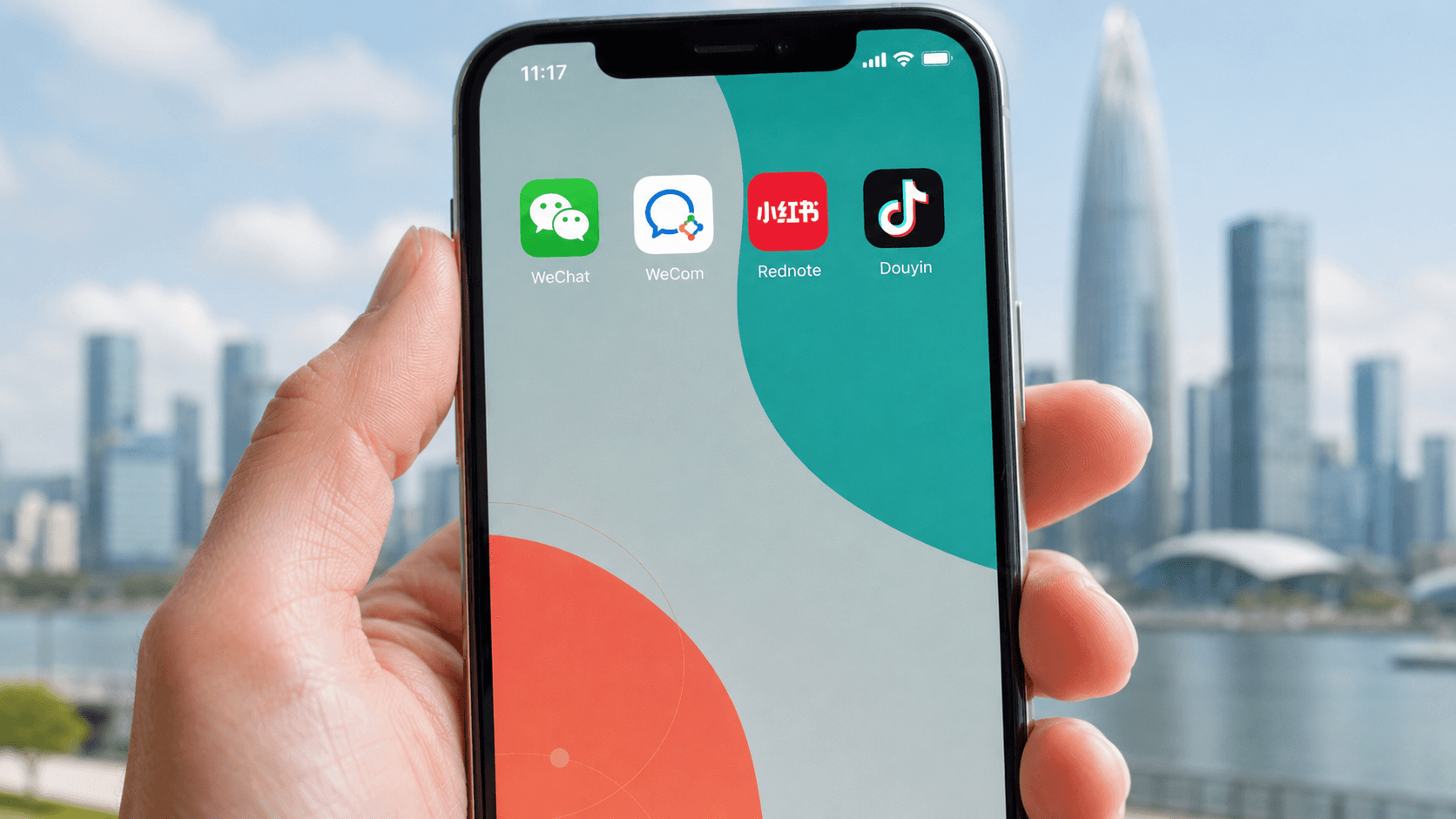
Most guides about KOL (Key Opinion Leader) marketing in China focus on consumer brands: beauty influencers on Rednote, Douyin celebrities, livestream sales, and lifestyle product placements.
That advice can be useful for skincare or fashion brands. It is much less useful for a company selling industrial automation equipment, agri-tech technology, life sciences components, or professional services.
For B2B companies, KOL marketing in China works differently. The goal is not mass attention. The goal is credibility.
Consumer KOL vs B2B KOL Marketing
Consumer KOL marketing usually works by borrowing attention. A brand collaborates with an influencer who has a large audience, and a percentage of that audience may become interested in the product.
In B2B, this logic is weaker.
Chinese procurement managers, engineers, researchers, distributors, and technical buyers do not make decisions because a general influencer mentions a product. They make decisions based on trust, technical proof, peer validation, and whether the company appears credible in their sector.
This means the value of a B2B KOL is not mainly their follower count. Their value is their professional authority.
A technical specialist with 8,000 relevant followers can be more valuable than a lifestyle influencer with 800,000 followers. If that specialist is trusted by engineers, procurement teams, or sector professionals, their opinion can influence how a European brand is perceived in China.
B2B KOL Marketing Is Credibility Transfer
For European B2B companies entering China, KOL marketing should be understood as credibility transfer.
A respected industry expert, researcher, agronomist, engineer, clinician, or sector media contributor can help Chinese buyers understand why a foreign company is relevant, reliable, and worth evaluating.
This is especially important for companies that are new to the Chinese market. Even if the company is well known in Europe, Chinese buyers may not have heard of it. A credible Chinese sector voice can help bridge that trust gap.
The purpose of B2B KOL marketing is therefore not to make the brand look popular. It is to make the brand easier to trust.
Why This Matters for European B2B Companies
European companies often have strong technical expertise but limited local visibility in China. This creates a challenge.
Chinese buyers may ask:
Is this company serious about the Chinese market?
Does its product fit Chinese operating conditions?
Is there local support?
Has anyone credible in China evaluated it?
Is the company known within the sector?
B2B KOL activity can help answer these questions before a sales conversation even starts.
These formats are more useful than generic brand promotion because they are written around buyer concerns, not company announcements.
The KOLs That Matter in B2B
For industrial, agri-tech, life sciences, and professional services companies, the most useful KOLs are usually not celebrities. They are sector voices with specific credibility.
The most relevant types include:
Technical experts such as engineers, researchers, clinicians, agronomists, or consultants
Industry media contributors with access to sector-specific audiences
Trade association voices with institutional credibility
Sector micro-KOLs with small but highly relevant professional followings
In many cases, a network of several micro-KOLs performs better than one large general account. This is because B2B success depends on audience quality, not audience size.
What Good B2B KOL Content Looks Like
Strong B2B KOL content is usually practical, technical, and educational. It may include product application explainers, technical comparisons, expert commentary, event or factory visit reports, regulatory explanations, or product demonstration videos for visual sectors.
The content should not feel like an advertisement. If it sounds too promotional, it loses credibility. The strongest KOL content gives the expert enough room to explain, evaluate, and contextualize the topic in their own voice.
FAQ: B2B KOL Marketing in China
Do European B2B companies really need KOL marketing in China?
Not every company needs KOL marketing immediately. However, it can be very valuable when a European company needs to build trust in a technical or relationship-driven sector. This is especially relevant when Chinese buyers are unfamiliar with the brand or need reassurance before starting a commercial conversation.
Is B2B KOL marketing only relevant for large companies?
No. B2B KOL marketing can also work for smaller or mid-sized companies, especially when the campaign is focused. A smaller company does not need a large influencer campaign. It may benefit more from one or several credible sector voices who can explain the company’s expertise to a relevant professional audience.
What is the difference between a consumer KOL and a B2B KOL?
A consumer KOL usually creates value through reach, visibility, and audience attention. A B2B KOL creates value through professional trust. In B2B, the most useful KOL is often someone with technical knowledge, sector experience, and credibility among the specific buyers the company wants to reach.
What should a B2B KOL campaign be measured on?
B2B KOL marketing should not be measured only by impressions or follower count. More useful metrics include audience quality, content engagement, relevant inquiries, WeChat or WeCom follow-up, buyer conversations, and whether the campaign helps Chinese prospects better understand and trust the company.
The Bottom Line
B2B KOL marketing in China is not about going viral. It is about becoming credible in the right professional community.
For European companies in industrial, agri-tech, life sciences, and professional services sectors, the right KOL can help translate technical strength into local market trust.
That trust is often what Chinese buyers need before they are ready to engage directly.
Most guides about KOL (Key Opinion Leader) marketing in China focus on consumer brands: beauty influencers on Rednote, Douyin celebrities, livestream sales, and lifestyle product placements.
That advice can be useful for skincare or fashion brands. It is much less useful for a company selling industrial automation equipment, agri-tech technology, life sciences components, or professional services.
For B2B companies, KOL marketing in China works differently. The goal is not mass attention. The goal is credibility.
Consumer KOL vs B2B KOL Marketing
Consumer KOL marketing usually works by borrowing attention. A brand collaborates with an influencer who has a large audience, and a percentage of that audience may become interested in the product.
In B2B, this logic is weaker.
Chinese procurement managers, engineers, researchers, distributors, and technical buyers do not make decisions because a general influencer mentions a product. They make decisions based on trust, technical proof, peer validation, and whether the company appears credible in their sector.
This means the value of a B2B KOL is not mainly their follower count. Their value is their professional authority.
A technical specialist with 8,000 relevant followers can be more valuable than a lifestyle influencer with 800,000 followers. If that specialist is trusted by engineers, procurement teams, or sector professionals, their opinion can influence how a European brand is perceived in China.
B2B KOL Marketing Is Credibility Transfer
For European B2B companies entering China, KOL marketing should be understood as credibility transfer.
A respected industry expert, researcher, agronomist, engineer, clinician, or sector media contributor can help Chinese buyers understand why a foreign company is relevant, reliable, and worth evaluating.
This is especially important for companies that are new to the Chinese market. Even if the company is well known in Europe, Chinese buyers may not have heard of it. A credible Chinese sector voice can help bridge that trust gap.
The purpose of B2B KOL marketing is therefore not to make the brand look popular. It is to make the brand easier to trust.
Why This Matters for European B2B Companies
European companies often have strong technical expertise but limited local visibility in China. This creates a challenge.
Chinese buyers may ask:
Is this company serious about the Chinese market?
Does its product fit Chinese operating conditions?
Is there local support?
Has anyone credible in China evaluated it?
Is the company known within the sector?
B2B KOL activity can help answer these questions before a sales conversation even starts.
These formats are more useful than generic brand promotion because they are written around buyer concerns, not company announcements.
The KOLs That Matter in B2B
For industrial, agri-tech, life sciences, and professional services companies, the most useful KOLs are usually not celebrities. They are sector voices with specific credibility.
The most relevant types include:
Technical experts such as engineers, researchers, clinicians, agronomists, or consultants
Industry media contributors with access to sector-specific audiences
Trade association voices with institutional credibility
Sector micro-KOLs with small but highly relevant professional followings
In many cases, a network of several micro-KOLs performs better than one large general account. This is because B2B success depends on audience quality, not audience size.
What Good B2B KOL Content Looks Like
Strong B2B KOL content is usually practical, technical, and educational. It may include product application explainers, technical comparisons, expert commentary, event or factory visit reports, regulatory explanations, or product demonstration videos for visual sectors.
The content should not feel like an advertisement. If it sounds too promotional, it loses credibility. The strongest KOL content gives the expert enough room to explain, evaluate, and contextualize the topic in their own voice.
FAQ: B2B KOL Marketing in China
Do European B2B companies really need KOL marketing in China?
Not every company needs KOL marketing immediately. However, it can be very valuable when a European company needs to build trust in a technical or relationship-driven sector. This is especially relevant when Chinese buyers are unfamiliar with the brand or need reassurance before starting a commercial conversation.
Is B2B KOL marketing only relevant for large companies?
No. B2B KOL marketing can also work for smaller or mid-sized companies, especially when the campaign is focused. A smaller company does not need a large influencer campaign. It may benefit more from one or several credible sector voices who can explain the company’s expertise to a relevant professional audience.
What is the difference between a consumer KOL and a B2B KOL?
A consumer KOL usually creates value through reach, visibility, and audience attention. A B2B KOL creates value through professional trust. In B2B, the most useful KOL is often someone with technical knowledge, sector experience, and credibility among the specific buyers the company wants to reach.
What should a B2B KOL campaign be measured on?
B2B KOL marketing should not be measured only by impressions or follower count. More useful metrics include audience quality, content engagement, relevant inquiries, WeChat or WeCom follow-up, buyer conversations, and whether the campaign helps Chinese prospects better understand and trust the company.
The Bottom Line
B2B KOL marketing in China is not about going viral. It is about becoming credible in the right professional community.
For European companies in industrial, agri-tech, life sciences, and professional services sectors, the right KOL can help translate technical strength into local market trust.
That trust is often what Chinese buyers need before they are ready to engage directly.