Lester Li
Lester Li
Marketing Manager
Marketing Manager
How to Choose the Right B2B KOLs in China
How to Choose the Right B2B KOLs in China
How to Choose the Right B2B KOLs in China
Jun 5, 2026
Choosing the right KOL (Key Opinion Leader) for a B2B campaign in China is very different from choosing an influencer for a consumer brand.
For European companies in industrial, agri-tech, life sciences, and professional services, the best KOL is not always the person with the largest audience. The best KOL is the person whose opinion matters to the buyer.
That means the selection process should begin with buyer trust, not platform popularity.
Start with the Buyer
Before searching for a KOL, define the type of person your Chinese buyer would trust.
For an industrial automation company, this may be a senior engineer, manufacturing consultant, or technical media contributor.
For an agri-tech company, it may be an agronomist, greenhouse specialist, agricultural researcher, or extension service professional.
For a life sciences company, it may be a clinician, lab manager, biomedical researcher, or medical sector contributor.
For a professional services company, it may be an analyst, consultant, legal expert, or business commentator with credibility in the relevant field.
This step is important because it prevents companies from choosing KOLs who look impressive but have little influence over the actual buying process.
The Four B2B KOL Types That Matter
1. Technical Experts
Technical experts are often the most valuable KOL type for B2B companies.
They may be engineers, researchers, agronomists, clinicians, or technical consultants who publish serious content in their field. Their audience may be smaller than a consumer influencer’s audience, but it is often far more relevant.
They are especially useful for complex products where buyers need education, comparison, and proof.
2. Industry Media Figures
Many Chinese sectors have active trade media ecosystems. Editors, contributors, and specialist media accounts can help a European company reach a qualified professional audience.
This works well when the goal is category education, thought leadership, or building awareness in a specific sector.
3. Trade Association Voices
In regulated or relationship-driven sectors, trade association voices can add institutional credibility. This can be especially relevant in life sciences, agri-tech, industrial manufacturing, and professional services.
These partnerships need to be handled carefully and professionally, but they can be valuable when market trust is still low.
4. Sector Micro-KOLs
Sector micro-KOLs are often underused. These are practitioners with smaller but highly engaged audiences in a narrow field.
For B2B, this can be extremely powerful. A greenhouse technology specialist followed by Chinese agricultural engineers may be more valuable than a general agri-tech account with a much larger but less relevant audience.
Where B2B KOLs Operate in China
The right platform depends on the sector and the buyer journey.
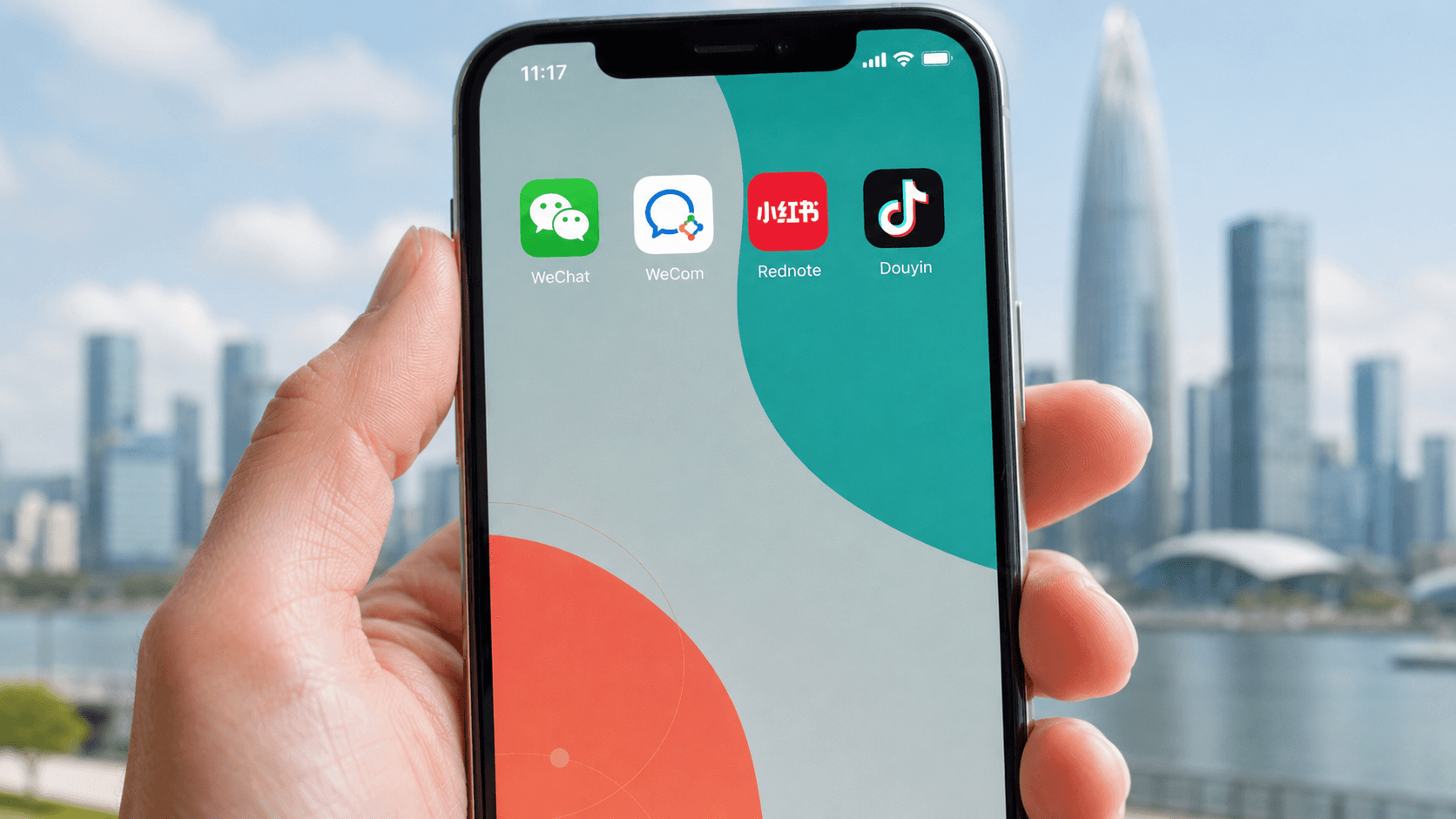
WeChat Official Accounts
WeChat is important for distributing content to warm, sector-specific audiences. Industry media accounts, association accounts, and technical expert accounts can all be useful channels for B2B KOL content.
For B2B, the key metric is not only follower count. Read rate, save rate, audience quality, and follow-up activity are more important.
Douyin
Douyin can be useful for visual B2B sectors, especially when the product can be demonstrated clearly. Machinery, manufacturing processes, greenhouse systems, and factory technology can sometimes work well in short video formats.
However, Douyin should be used selectively. Not every B2B product is suitable for short-form video, and not every sector’s decision-makers use Douyin for supplier research.
Rednote
Rednote is increasingly relevant for selected B2B sectors, especially where products, applications, or expertise can be explained visually or through practical experience.
Rednote can be useful for professional discovery, peer-style validation, event visibility, product education, and brand credibility. It works particularly well when the content can show real use cases, demonstrations, behind-the-scenes context, technical application, or market-entry stories in a more accessible format.
Rednote should not be treated as only a consumer lifestyle platform. In some B2B categories, Chinese professionals use it to explore brands, compare solutions, and look for practical insights before engaging more directly.
The key is to keep the content credible and useful. Overly promotional posts usually perform poorly. Strong Rednote B2B content feels practical, specific, and grounded in real expertise.
Sector Media and Private Communities
Some of the most valuable B2B influence happens outside the obvious platforms. Trade media, industry groups, professional communities, webinars, and offline events can all play a role.
For NextportChina’s clients, the platform choice should follow the buyer’s research behavior, not general China marketing trends.
How to Evaluate a B2B KOL
A practical evaluation framework should include:
Professional background
Sector credibility
Content quality
Audience relevance
Engagement quality
Previous brand partnerships
Tone and professionalism
Ability to explain technical topics clearly
Fit with the company’s China positioning
Red flags include inflated follower numbers, shallow content, too many paid posts, unclear professional identity, or an audience that does not match the company’s target buyers.
How to Approach B2B KOLs
Technical B2B KOLs often respond poorly to purely transactional outreach. They care about their professional reputation and will not want to publish content that feels misleading or overly commercial.
A better approach is relationship-led.
This may include:
Sharing useful product or market information
Offering technical access or expert interviews
Inviting them to review a solution honestly
Providing data they can use in their content
Connecting the collaboration to a real sector topic
The KOL should receive a clear brief, but not a script. Over-controlling the content often makes it sound like advertising, which weakens trust.
The Bottom Line
The right B2B KOL in China is not simply someone with followers. It is someone whose professional opinion can reduce doubt and build trust with the exact buyer group the company wants to reach.
For European B2B companies, strong KOL selection requires sector knowledge, Chinese-language research, local platform understanding, and careful relationship management.
This is where a partner such as NextportChina can help: identifying the right sector voices, managing the outreach, shaping the brief, and making sure the campaign supports real commercial goals in China.
Choosing the right KOL (Key Opinion Leader) for a B2B campaign in China is very different from choosing an influencer for a consumer brand.
For European companies in industrial, agri-tech, life sciences, and professional services, the best KOL is not always the person with the largest audience. The best KOL is the person whose opinion matters to the buyer.
That means the selection process should begin with buyer trust, not platform popularity.
Start with the Buyer
Before searching for a KOL, define the type of person your Chinese buyer would trust.
For an industrial automation company, this may be a senior engineer, manufacturing consultant, or technical media contributor.
For an agri-tech company, it may be an agronomist, greenhouse specialist, agricultural researcher, or extension service professional.
For a life sciences company, it may be a clinician, lab manager, biomedical researcher, or medical sector contributor.
For a professional services company, it may be an analyst, consultant, legal expert, or business commentator with credibility in the relevant field.
This step is important because it prevents companies from choosing KOLs who look impressive but have little influence over the actual buying process.
The Four B2B KOL Types That Matter
1. Technical Experts
Technical experts are often the most valuable KOL type for B2B companies.
They may be engineers, researchers, agronomists, clinicians, or technical consultants who publish serious content in their field. Their audience may be smaller than a consumer influencer’s audience, but it is often far more relevant.
They are especially useful for complex products where buyers need education, comparison, and proof.
2. Industry Media Figures
Many Chinese sectors have active trade media ecosystems. Editors, contributors, and specialist media accounts can help a European company reach a qualified professional audience.
This works well when the goal is category education, thought leadership, or building awareness in a specific sector.
3. Trade Association Voices
In regulated or relationship-driven sectors, trade association voices can add institutional credibility. This can be especially relevant in life sciences, agri-tech, industrial manufacturing, and professional services.
These partnerships need to be handled carefully and professionally, but they can be valuable when market trust is still low.
4. Sector Micro-KOLs
Sector micro-KOLs are often underused. These are practitioners with smaller but highly engaged audiences in a narrow field.
For B2B, this can be extremely powerful. A greenhouse technology specialist followed by Chinese agricultural engineers may be more valuable than a general agri-tech account with a much larger but less relevant audience.
Where B2B KOLs Operate in China
The right platform depends on the sector and the buyer journey.
WeChat Official Accounts
WeChat is important for distributing content to warm, sector-specific audiences. Industry media accounts, association accounts, and technical expert accounts can all be useful channels for B2B KOL content.
For B2B, the key metric is not only follower count. Read rate, save rate, audience quality, and follow-up activity are more important.
Douyin
Douyin can be useful for visual B2B sectors, especially when the product can be demonstrated clearly. Machinery, manufacturing processes, greenhouse systems, and factory technology can sometimes work well in short video formats.
However, Douyin should be used selectively. Not every B2B product is suitable for short-form video, and not every sector’s decision-makers use Douyin for supplier research.
Rednote
Rednote is increasingly relevant for selected B2B sectors, especially where products, applications, or expertise can be explained visually or through practical experience.
Rednote can be useful for professional discovery, peer-style validation, event visibility, product education, and brand credibility. It works particularly well when the content can show real use cases, demonstrations, behind-the-scenes context, technical application, or market-entry stories in a more accessible format.
Rednote should not be treated as only a consumer lifestyle platform. In some B2B categories, Chinese professionals use it to explore brands, compare solutions, and look for practical insights before engaging more directly.
The key is to keep the content credible and useful. Overly promotional posts usually perform poorly. Strong Rednote B2B content feels practical, specific, and grounded in real expertise.
Sector Media and Private Communities
Some of the most valuable B2B influence happens outside the obvious platforms. Trade media, industry groups, professional communities, webinars, and offline events can all play a role.
For NextportChina’s clients, the platform choice should follow the buyer’s research behavior, not general China marketing trends.
How to Evaluate a B2B KOL
A practical evaluation framework should include:
Professional background
Sector credibility
Content quality
Audience relevance
Engagement quality
Previous brand partnerships
Tone and professionalism
Ability to explain technical topics clearly
Fit with the company’s China positioning
Red flags include inflated follower numbers, shallow content, too many paid posts, unclear professional identity, or an audience that does not match the company’s target buyers.
How to Approach B2B KOLs
Technical B2B KOLs often respond poorly to purely transactional outreach. They care about their professional reputation and will not want to publish content that feels misleading or overly commercial.
A better approach is relationship-led.
This may include:
Sharing useful product or market information
Offering technical access or expert interviews
Inviting them to review a solution honestly
Providing data they can use in their content
Connecting the collaboration to a real sector topic
The KOL should receive a clear brief, but not a script. Over-controlling the content often makes it sound like advertising, which weakens trust.
The Bottom Line
The right B2B KOL in China is not simply someone with followers. It is someone whose professional opinion can reduce doubt and build trust with the exact buyer group the company wants to reach.
For European B2B companies, strong KOL selection requires sector knowledge, Chinese-language research, local platform understanding, and careful relationship management.
This is where a partner such as NextportChina can help: identifying the right sector voices, managing the outreach, shaping the brief, and making sure the campaign supports real commercial goals in China.